
Reduces winter heat loss
Up to 25 percent of a home’s winter heat escapes through uninsulated walls. Bulk batts trap still air in the wall cavity, slowing heat transfer and retaining warmth inside.
Sandringham Wall Insulation
Wall insulation installed in Sandringham stud frames cuts winter heat loss and summer heat gain through external walls. We fit bulk batts during renovations, extensions or new builds to improve thermal resistance and comfort.
Share your details and Expert Insulation Melbourne will contact you about Wall Insulation in Sandringham.
Wall insulation in Sandringham is fitted into open stud frames before lining to slow heat transfer through external walls. It is most practical during renovations, extensions or new builds when the cavity is accessible. Bulk batts of glasswool, polyester or rockwool are cut to fit between studs, with typical R-values from R2. 0 to R2.
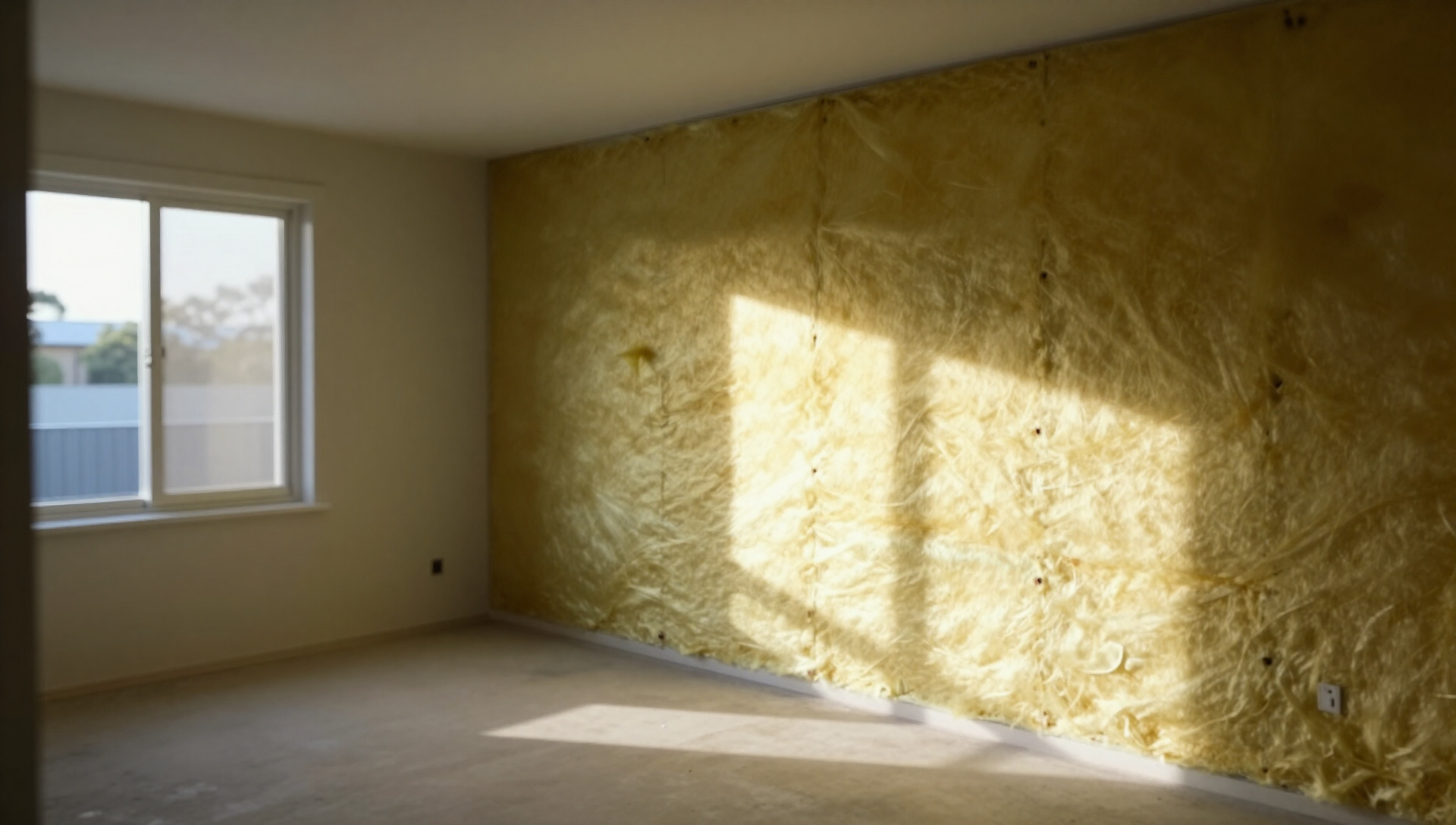
Sandringham’s bayside location brings cold southerly winds in winter and hot northerlies in summer. Insulating external walls reduces heat flow through brick veneer or weatherboard, keeping indoor temperatures steadier and lowering heating and cooling costs.
Up to 25 percent of a home’s winter heat escapes through uninsulated walls. Bulk batts trap still air in the wall cavity, slowing heat transfer and retaining warmth inside.
Reflective and bulk insulation in walls reflects radiant heat and resists conductive heat flow, keeping interiors cooler during Sandringham’s hot spells.
Acoustic batts in internal walls dampen noise transfer between rooms, useful in multi-storey homes and townhouses near Sandringham’s busier roads.
Suitable for timber or steel stud frames in brick veneer, weatherboard and double brick homes when the cavity is open and accessible.
Bulk batts maintain their R-value over time if kept dry and undamaged, providing consistent thermal resistance for the life of the building.
Reducing heat flow through walls means heating and cooling systems work less, lowering energy use and running costs in Sandringham’s variable climate.
Wall insulation is installed in stages to ensure full coverage and no gaps. We work with builders and homeowners during the open-frame stage of renovations or new builds.
We check the stud spacing, cavity depth and any services in the wall frame. Batts are cut to the exact width to fit snugly between studs without compression.
Bulk batts are friction-fitted between studs from the top down, ensuring no gaps or voids. We maintain clearances around electrical cables and pipes as required.
For internal walls needing soundproofing, we install acoustic batts in the same way, using denser materials to absorb airborne noise between rooms.
We verify all cavities are filled and batts are flush with the stud faces. The frame is then ready for plasterboard or other lining to be installed.
Sandringham’s mix of older weatherboard homes and newer brick veneer builds often have uninsulated external walls. Installing bulk batts during renovations or extensions improves thermal performance and comfort year-round. Nearby suburbs like Hampton and Brighton share similar housing styles and climate exposure, making wall insulation a practical upgrade.
Wall insulation installed in Sandringham stud frames improves thermal resistance and comfort.
Common questions about wall insulation in Sandringham homes, from suitability and R-values to installation timing and cost factors.
Wall insulation in Sandringham is a cost-effective way to improve thermal comfort in homes with timber or steel stud frames. By fitting bulk batts into open cavities before lining, we reduce heat loss in winter and heat gain in summer through external walls. This is especially valuable in Sandringham, where cold winds and hot days create significant temperature swings.
The process involves measuring stud spacing, cutting batts to size and friction-fitting them between studs. We use glasswool, polyester or rockwool batts with R-values typically between R2.0 and R2.7 for walls. Acoustic batts can also be installed in internal walls to reduce noise transfer between rooms, which is useful in multi-level homes or properties near busy roads.
Wall insulation is most practical during renovations, extensions or new builds when the cavity is accessible. For existing homes with closed walls, cavity wall insulation may be an option depending on the wall type and moisture conditions, which we assess on site. Properly installed wall insulation helps lower heating and cooling costs by maintaining more stable indoor temperatures.
Improve your home’s thermal performance with wall insulation installed by Expert Insulation Melbourne. Call us on 0399695249 or email info@expertinsulationmelbourne. com. au to discuss your project.